Home › Guides › Daylight saving time and medications
Daylight Saving Time and Your Medications: What to Know
Updated: October 21, 2026 · by PrettyLights Software, the team behind Nurelio
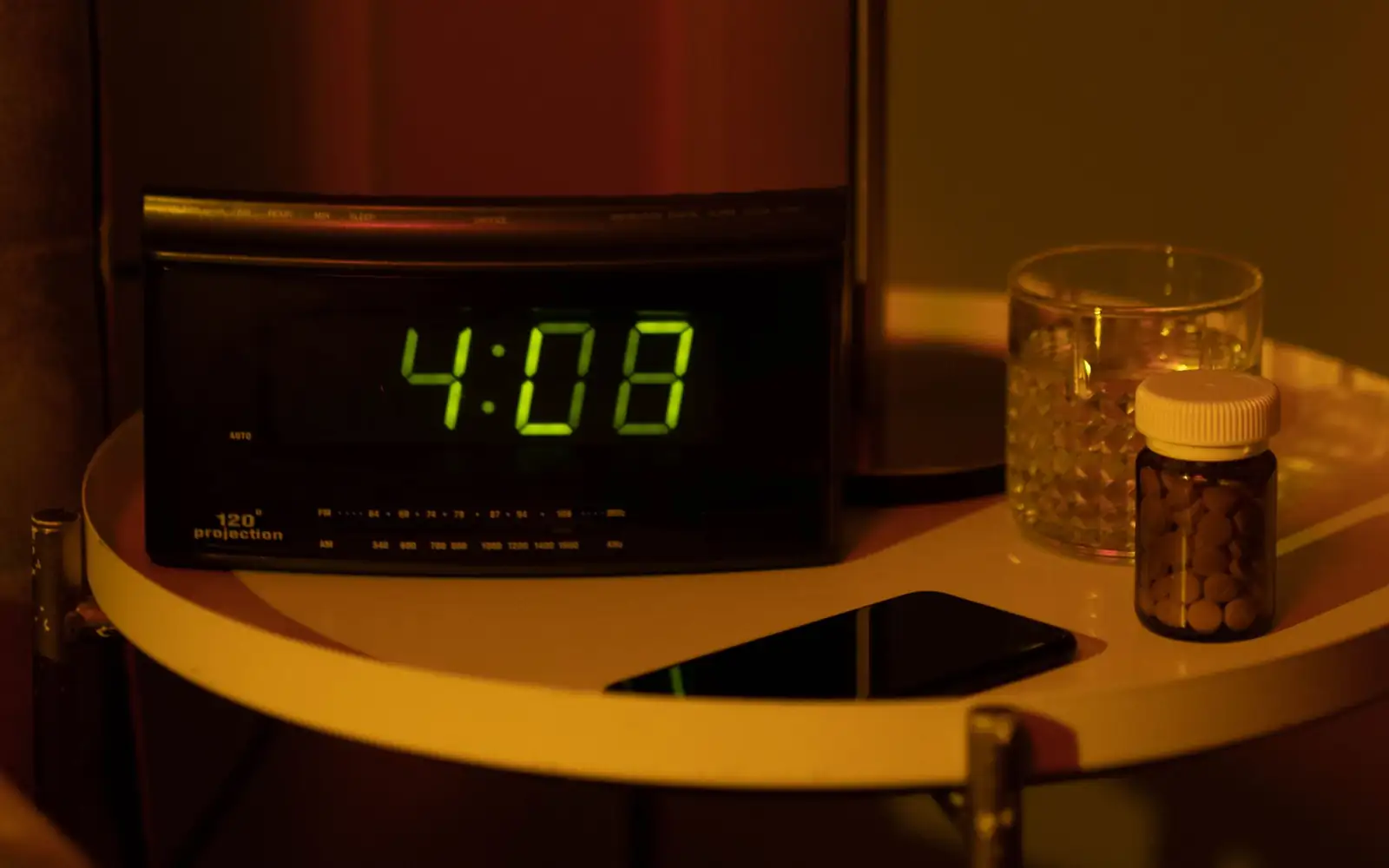
On Sunday, November 1, 2026, daylight saving time ends in the United States: at 2 a.m. local time, clocks fall back to 1 a.m. For most medications, that one hour is not a problem. According to a spokesperson for the German pharmacists' association ABDA, quoted by the news agency dpa, the body generally tolerates a shift of two hours well — so one hour should not cause any problems. You can keep your usual time and simply take your pills on the new clock from Sunday on. It's worth a closer look for medications taken several times a day at fixed intervals, such as some antibiotics, for insulin, which is usually tied to meals, and for medications that need to be taken especially on time, such as those for Parkinson's disease. For the birth control pill, one hour falls well within the windows set out in CDC guidance. When in doubt, ask your pharmacist. This guide explains what changes between doses, when to check in and how Nurelio handles the time change.
When do the clocks change?
- End of daylight saving time 2026: Sunday, November 1 — at 2 a.m., clocks go back to 1 a.m. The hour between 1 and 2 a.m. happens twice that night.
- Start of daylight saving time 2027: Sunday, March 14 — at 2 a.m., clocks spring forward to 3 a.m. The hour between 2 and 3 a.m. is skipped.
- End of daylight saving time 2027: Sunday, November 7.
Each time zone switches at 2 a.m. local time. According to the National Institute of Standards and Technology (NIST), Hawaii, the U.S. territories and Arizona (except the Navajo Nation) don't change their clocks. Dates: NIST (2026) and the U.S. Naval Observatory (2027).
What changes between doses?
If you take your pills by the clock, one gap between doses changes on the day of the switch. An example: you take one pill at 8 p.m. and one at 8 a.m. In the fall, there are 13 hours instead of 12 between Saturday evening and Sunday morning; in the spring, only 11. After that, everything is back to normal. For once-daily medications, it's a one-time gap of 25 or 23 hours. For most medications this is no problem — the ABDA spokesperson explicitly advised keeping your usual time.
Antibiotics and fixed intervals
Some medications are meant to be taken at exact intervals, for example antibiotics “every eight hours.” According to ABDA, it can make sense in special cases to keep following the old time for a while, so the intervals stay the same. Whether that applies to your medication can't be said across the board — ask your pharmacist or your doctor, ideally a few days before the change.
Birth control pill: one hour fits the window
Under the CDC's recommendations for contraceptive use, a combined pill only counts as late if it is taken less than 24 hours after it was due — and for a single late pill, no additional protection is needed. Progestin-only pills (the “mini-pill”) have a tighter window depending on the hormone: with norethindrone or norgestrel, a dose counts as missed once it is more than 3 hours late; with drospirenone, the CDC uses the same 24-hour limit as for combined pills. A one-hour time change fits within all of these windows. If you're not sure which pill you take, check the patient information leaflet or ask your pharmacist.
Insulin and Parkinson's medications
Insulin, according to ABDA, is usually tied to mealtimes rather than the clock. Whether and how you adjust your regimen for the change is something to discuss with your diabetes care team. With Parkinson's medications, on the other hand, timing matters: the Parkinson's Foundation calls taking the right medication on time, every time critical to managing symptoms, and notes that precise timing leads to the best symptom control. So talk to your doctor about how best to handle the change — as with any medication where the exact time matters to you.
What about travel?
On long trips across several time zones, the shift is far more than one hour. The CDC advises asking your health care provider about any changes to taking your medicine when you travel to a different time zone, and notes that doses go by the time since your last dose, not the local clock. For the clock change at home, that usually isn't necessary.
How does Nurelio handle the time change?
You don't have to do anything. Nurelio schedules every reminder using your device's time rules — even if you don't open the app at all over the weekend. A dose at 8:00 a.m. arrives at 8:00 a.m. on the new time after the change, just as you're used to. Even the rare dose in the middle of the night of the change is covered: in the fall, when the hour between 1 and 2 a.m. happens twice, Nurelio reminds you only once — a dose already marked as taken won't remind you a second time. In the spring, when the hour between 2 and 3 a.m. is skipped, a reminder for 2:30 a.m. arrives at 3:30 a.m. — the same gap to the day before. We tested this behavior with the device clock set ahead for both changes. How reminders make sure you don't miss a dose is explained in our guide Medication reminders that actually get through.
Watch it step by step
Sources
- National Institute of Standards and Technology (NIST): Daylight Saving Time Rules
- U.S. Naval Observatory: Daylight Saving Time (dates for 2027)
- dpa with Ursula Sellerberg, deputy press spokesperson of the German pharmacists' association ABDA (in German): t-online.de, March 28, 2025 and PTA IN LOVE, October 24, 2024
- CDC, U.S. Selected Practice Recommendations for Contraceptive Use: Combined Hormonal Contraceptives and Progestin-Only Pills
- Parkinson's Foundation: Medications: A Treatment Guide to Parkinson's Disease (2024)
- CDC Travelers' Health: Traveling Abroad with Medicine (last reviewed August 18, 2022)
This guide is for general information only and does not replace advice from a doctor or pharmacist. Don't change how you take your medications without first talking to your doctor or pharmacist.
Try Nurelio
Reminders that stay on time after the clocks change — the basic version is free forever, with no ads and no account required. Nurelio is available for iOS and Android.
Download on the App Store Get it on Google Play
Learn more: Privacy · FAQ · all guides